
Two Rooms
On Being an Intellectual

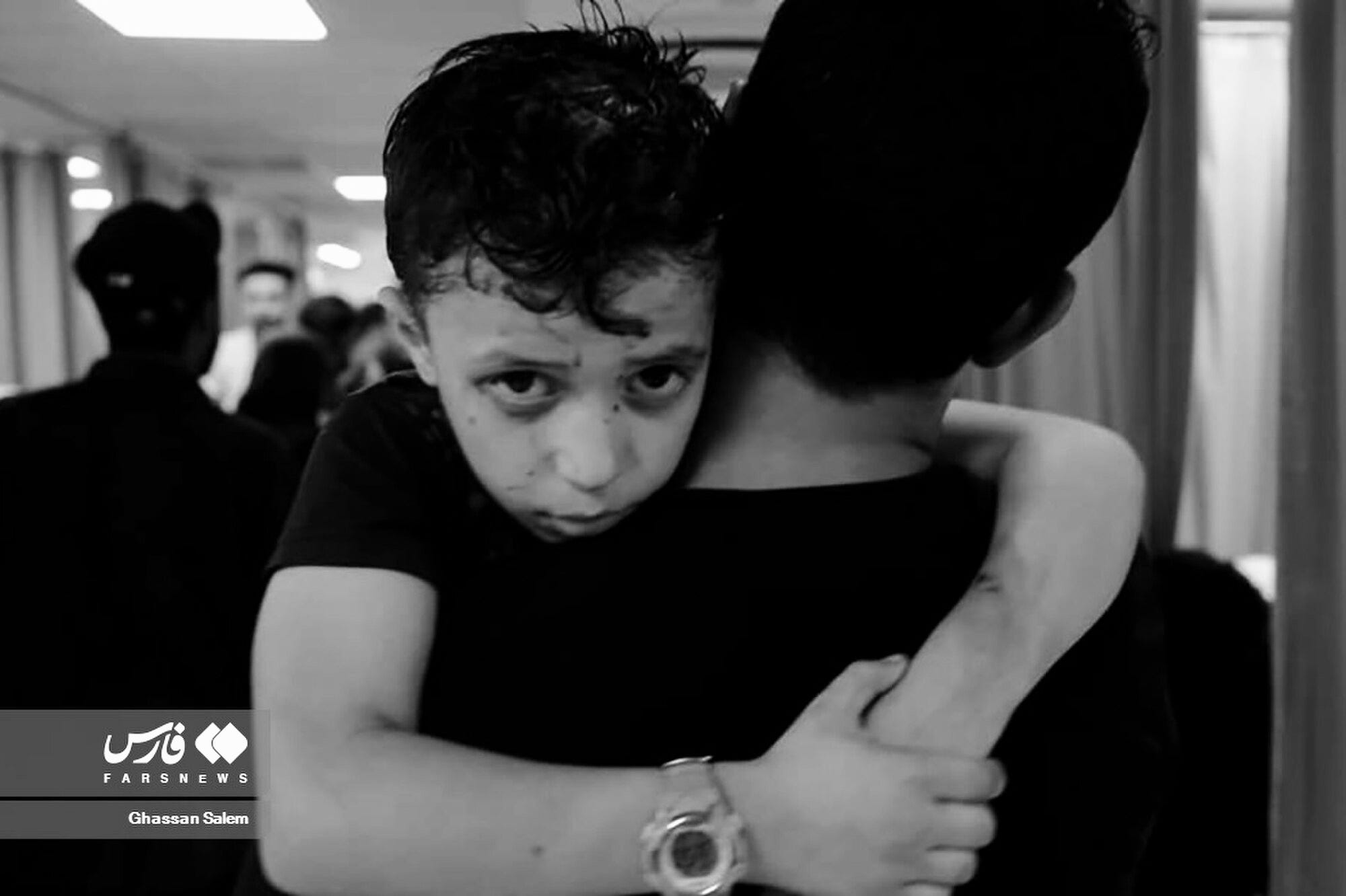
What does it mean to be an intellectual, philosopher, or thinker in an age of genocide, amidst a revolution, or tectonic global events? That was, and remains, a problem that plagued me for much of the past decade.
It began when, while pursuing my graduate studies at the American University of Beirut, I would indulge in the pleasures of thought, reading Foucault and Heidegger, among others, with my professors and colleagues. Then, in the evening, as if moving from one room to another was like entering an entirely new world, I sat with young Syrian children whose hands were calloused, and their father, who, for the sake of hospitality, forced a weak smile when welcoming me into his shabby, run-down room.
The face of the victim is a destroyer of pleasures. It forced me to ask what exactly it was that I was doing with my academic aspirations, what it means to be an aspiring philosopher and intellectual, in the face of genocide and extermination. Which of those two worlds would I inhabit? These questions came back to haunt me during the genocide in Gaza.
To be an intellectual is not to indulge a pleasure or an occupation. It is an existential orientation. It demands not only a desire to know the truth, but to live in truth. I came to realize, through Kierkegaard, that the two were the same. If the Truth does not occupy the totality of your being, even at the most visceral level, it is merely a matter of self-comfort or indulgence. But what did it mean for the Truth to occupy the totality of my being? It meant that, after sitting in that room with a young boy who should have been in school earlier that day, I could not return to my seminars unchanged. Because what can be more real, true, than the cry of a victim? The truth of their pain, and the unjust reality of their condition?
But this truth, the realization of their victimhood and your responsibility after having heard their cries (the live streaming of the genocide in Gaza leaves no one blind to that) is no easy truth. It means that you are face-to-face not only with the victim, but also their oppressor. Hence, why Bassel Al-A’raj so eloquently said, “To be an intellectual is to be in the fray (mushtabik). If you refuse the struggle, you and your culture amount to nothing.”
To be in the fray is not a metaphor, because to know and inhabit a truth and commitment are the same thing. The intellectual should not make a distinction between thinking from on high, and aimless action. The intellectual embraces thinking-in-action and acting-in-thought. I call this the praxis-of-transcension.
The intellectual’s task is to expose the cracks in the Empire, that is, where its victims are. To sow those cracks, to name those victims, and to turn those zones of death into springboards for a new subjectivity and imagination. How? It is through thinking and acting otherwise, that is to say, not as the Empire dictates. It is to exist differently.
The intellectual refuses two rooms, worlds. The face of that boy, who later died, and the voice of Hind Rajab, are carried through into those seminars. Thinking becomes an act of solidarity.
This is why I teach. Into the Fray is a seminar built on this conviction — that thinking and acting are inseparable, that the study of politics is itself a political act, and that the face of the victim must be carried into every text we read. The first set of cohorts for module one begins on March 29th, and the second batch of cohorts will begin on April 26th. If what I have described here is not something you wish to study, but something you wish to become, join us.